
The Challenges of Outsourcing Teamwear Production
The Challenges of Outsourcing Teamwear Production
Why Admiral’s In House Manufacturing is the Future
The global teamwear industry has long relied on overseas manufacturing, particularly in Asia, to keep costs low and production scalable. But as delays, quality issues, and concerns over labor practices continue to plague many big-name brands, it’s becoming clear that offshore production is no longer the reliable solution it once seemed to be. In fact, many brands have found themselves at the center of a storm, with frustrated customers facing delivery delays and poor-quality gear. So, is it time for the teamwear industry to rethink its approach?
The Struggles of Offshore Production
Price hikes on apparel made in Asia
Most brands (not Admiral) make their team apparel in Asia (China, India, Thailand, Vietnam, Pakistan and Bangladesh).
Quality Control Nightmares
Some brands, heavily rely on manufacturing in Bangladesh. One of the biggest issues with offshore manufacturing, there, is maintaining consistent product quality.
Their customers have reported that their teamwear, when it finally arrives, doesn’t hold up. From peeling numbers to falling patches, the quality problems are only exacerbated by long wait times. For parents and coaches relying on uniforms for an important match or tournament, this inconsistency can be devastating.
Shipping Delays
For some, these delays have been a nationwide issue. Parents across the country have expressed frustration at receiving their team's gear well after the season has already started. In fact, many have found themselves waiting weeks, even months, for uniforms that were ordered well in advance. We drive a fast air freight solution.
Customer Frustration
One Beat Soccer recently published an article which highlights shared stories of waiting for uniforms long after the season began, with some players receiving their gear while others were left waiting or given partial kits. The delays have been so severe that some teams had to improvise, with players turning up to games in mismatched or makeshift gear—an issue that undermines both team morale and professionalism.
The reasons behind the delays are often linked to the same challenges faced by other offshore manufacturers—labor unrest, factory closures, shipping issues and a lack of communication
An In-House Solution: Admiral’s In-House Production
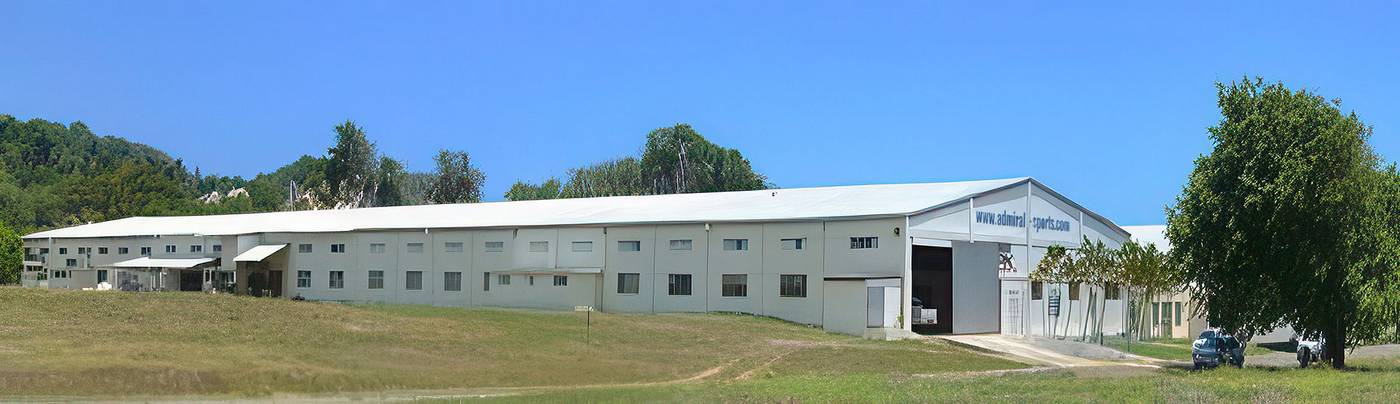
So, what’s the alternative? Enter Admiral, who fifteen years ago took a bold step away from the pitfalls of Asia manufacturing. Instead of relying on far-flung factories, Admiral has invested in in-house production, operating its own state-of-the-art facility just a 90 minute fight from Miami. This shift has allowed Admiral to offer several key advantages that other brands simply can’t match.
Total Control Over Quality
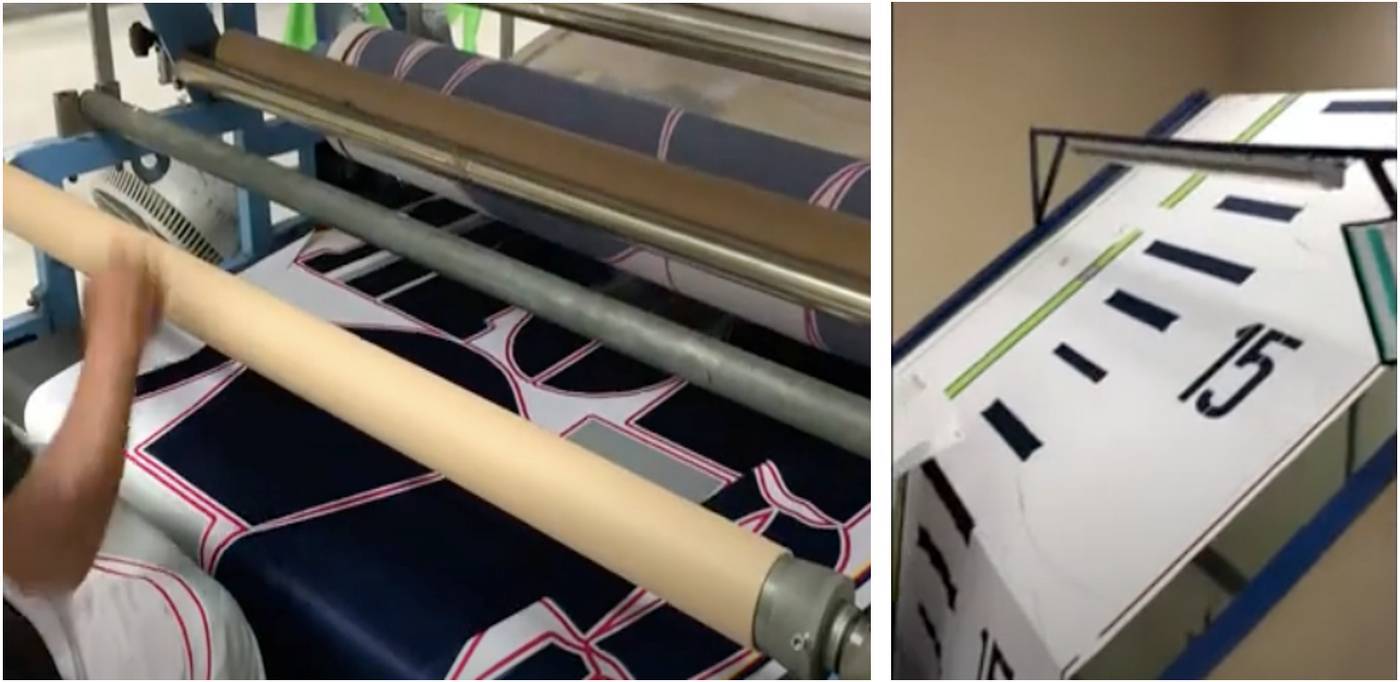
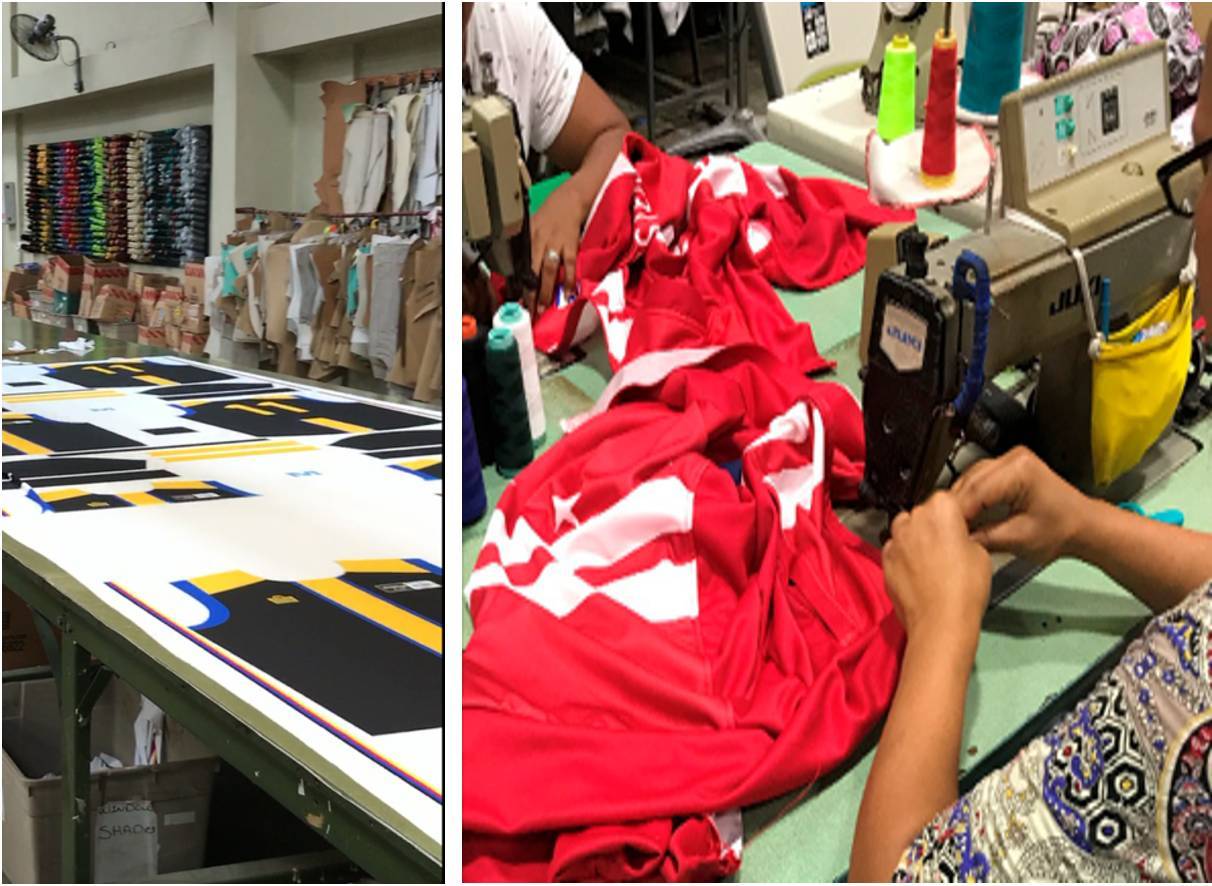
By producing locally, Admiral has complete oversight over the entire manufacturing process. This ensures high-quality, durable products—something that’s difficult to guarantee when you're outsourcing production to distant factories. One Beat Soccer article reports customers have experienced peeling numbers and falling patches. In total contrast, Admiral’s local production ensures that every item meets strict quality standards. Sublimated logos and numbers never fade, peel or crack.
Ethical Practices and Transparency
When you manufacture near shore, you can ensure that workers are treated fairly and that labor practices are transparent. Admiral’s commitment to ethical manufacturing means safe working conditions, fair wages, healthcare provision and no sweatshops—something that’s harder to guarantee when production is outsourced to far eastern factories. This transparency resonates with customers increasingly concerned about the ethical implications of their purchases.’’
Sustainability and Reduced Carbon Footprint
With growing consumer demand for sustainable practices, Admiral’s local production model ticks the box for eco-conscious buyers who want to minimize their carbon footprint while supporting local jobs.
The companies Admiral ID software minimizes waste, optimizing the layout of club designs when printing, wasting less, paper, ink, fabric & energy.
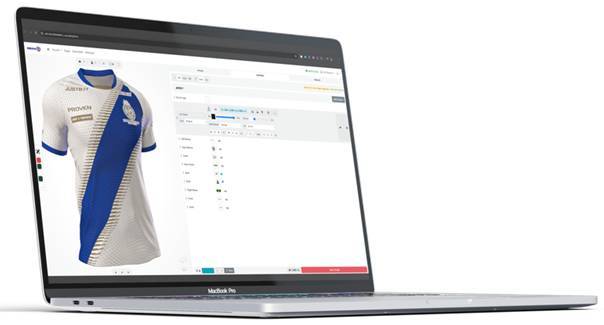
ADMIRAL ID uses sustainable recycled polyester Dry Skin fabric, sublimation paper that’s approved by the Forest Stewardship Council, water-based inks that have a lower the impact on the environment and high-speed printers require reduced drying time using less energy.
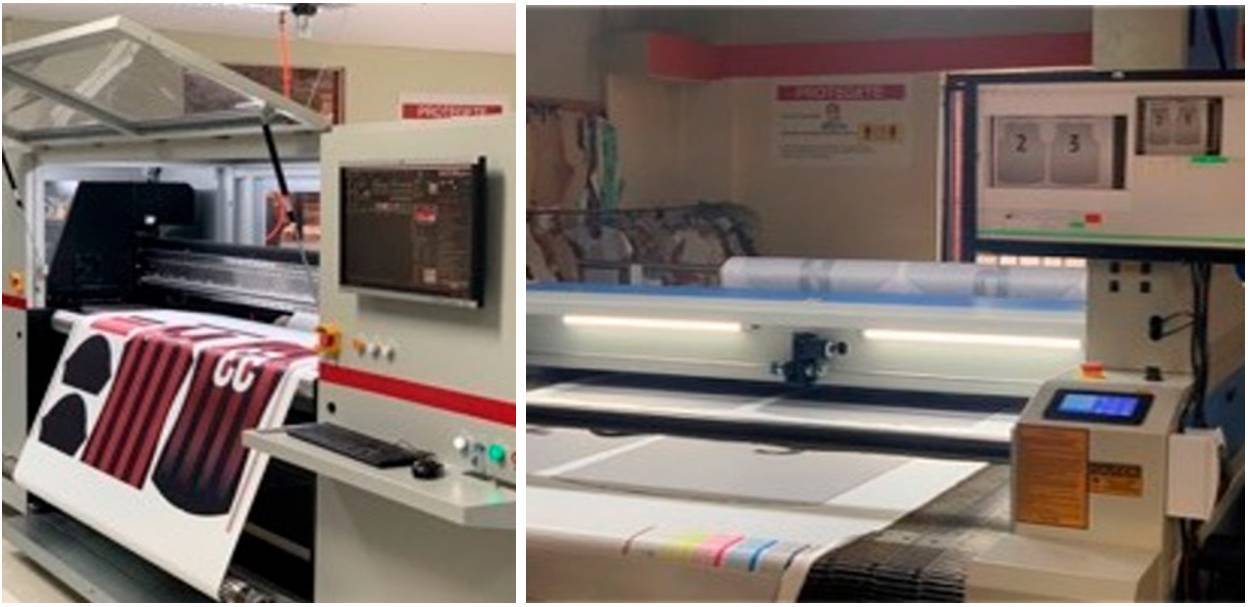
By manufacturing “on demand” closer to home, Admiral also reduces the environmental impact associated with long-distance shipping.
Faster Delivery and Shorter Lead Times
The use of air freight means significantly shorter shipping times. Admiral also produces single units rather than waiting for all orders to be received prior to “batching production”. This translates to faster order fulfillment and more reliable delivery schedules, ensuring that teams receive their gear on time—whether for the first game of the season or for last-minute tournaments. Admiral’s production model offers certainty and consistency.
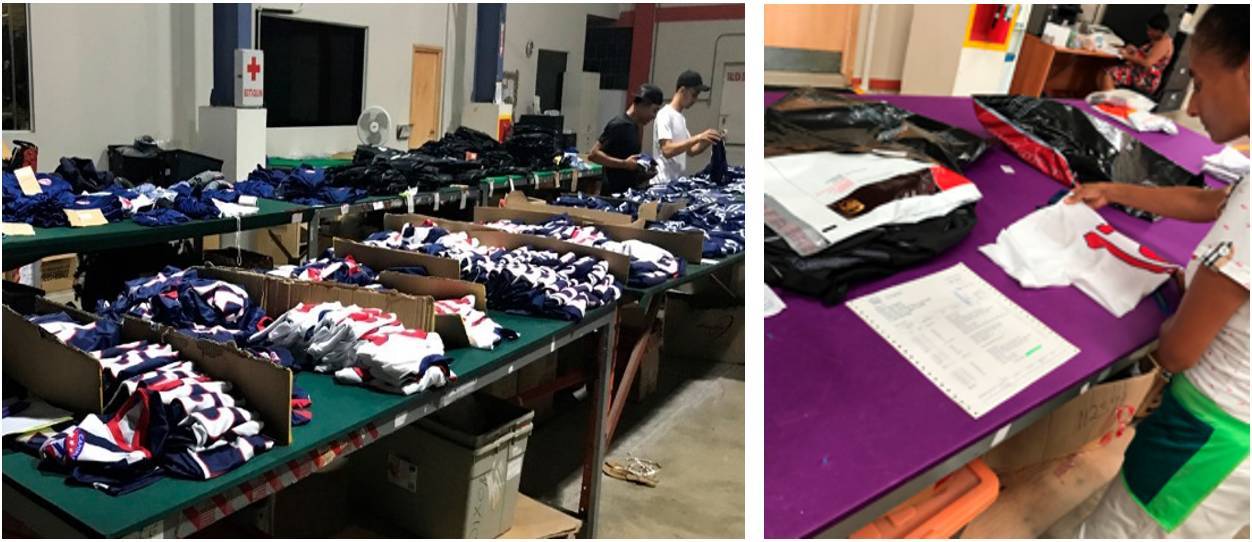
Why In House Manufacturing is the Future
The issues facing non in house teamwear production—shipping delays, inconsistent quality, and labor concerns—are prompting more and more brands to reconsider their strategies. By bringing manufacturing back home, brands like Admiral set a new standard for the industry many years ago. With superior quality control, faster lead times, and ethical practices, local production isn’t just a solution to current challenges—it’s the future of teamwear.
If you're tired of the delays, the quality problems, and the frustration of working with overseas suppliers, it may be time to consider a more local solution.
Admiral’s in-house production model offers a level of reliability, speed, and sustainability that offshore manufacturing just can’t match.